Training Case Study
Agile and Scrum 101 at TechKraft
Engineering, HR, sales, and internal departments.
Agile fundamentals, Scrum foundations, practical games, and reflection.
Formal Scrum initiation in engineering and adapted ways of working across other departments.
The problem
Different departments were functioning in their own ways. Work was being done, but there was no shared structure, framework, or common operating rhythm across internal teams.
The need was not limited to engineering. Similar gaps appeared across HR, sales, and other internal functions where clearer collaboration, ownership, and follow-through could improve team performance.
Training design
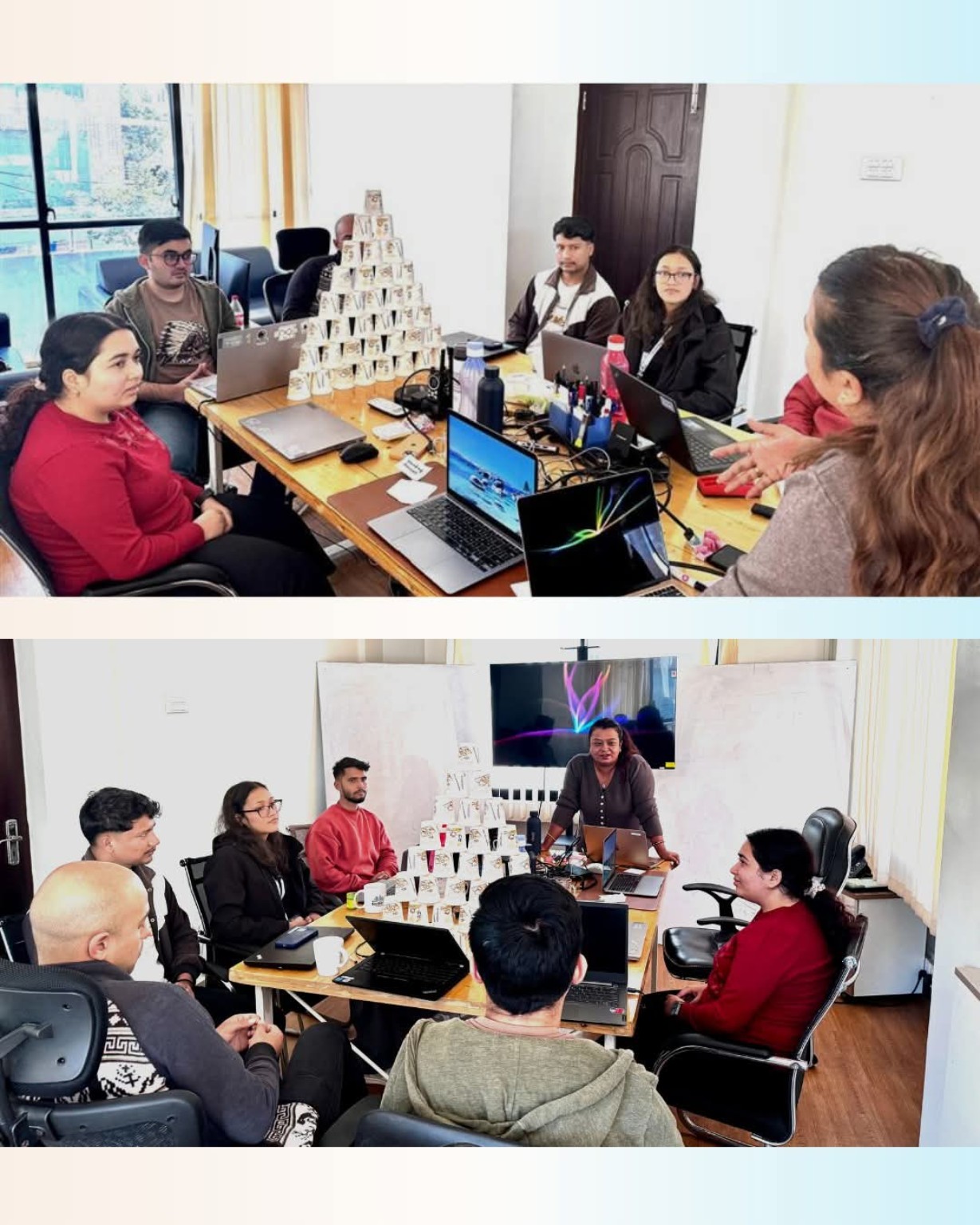
The training was designed as a two-day Agile and Scrum 101 session focused on practical understanding rather than theory alone.
The agenda covered Agile foundations, the Agile Manifesto, Agile principles and methodologies, Scrum basics, Scrum roles, events, artifacts, estimation, velocity, user stories, acceptance criteria, Definition of Ready, Definition of Done, and retrospectives.
Practical learning through activities
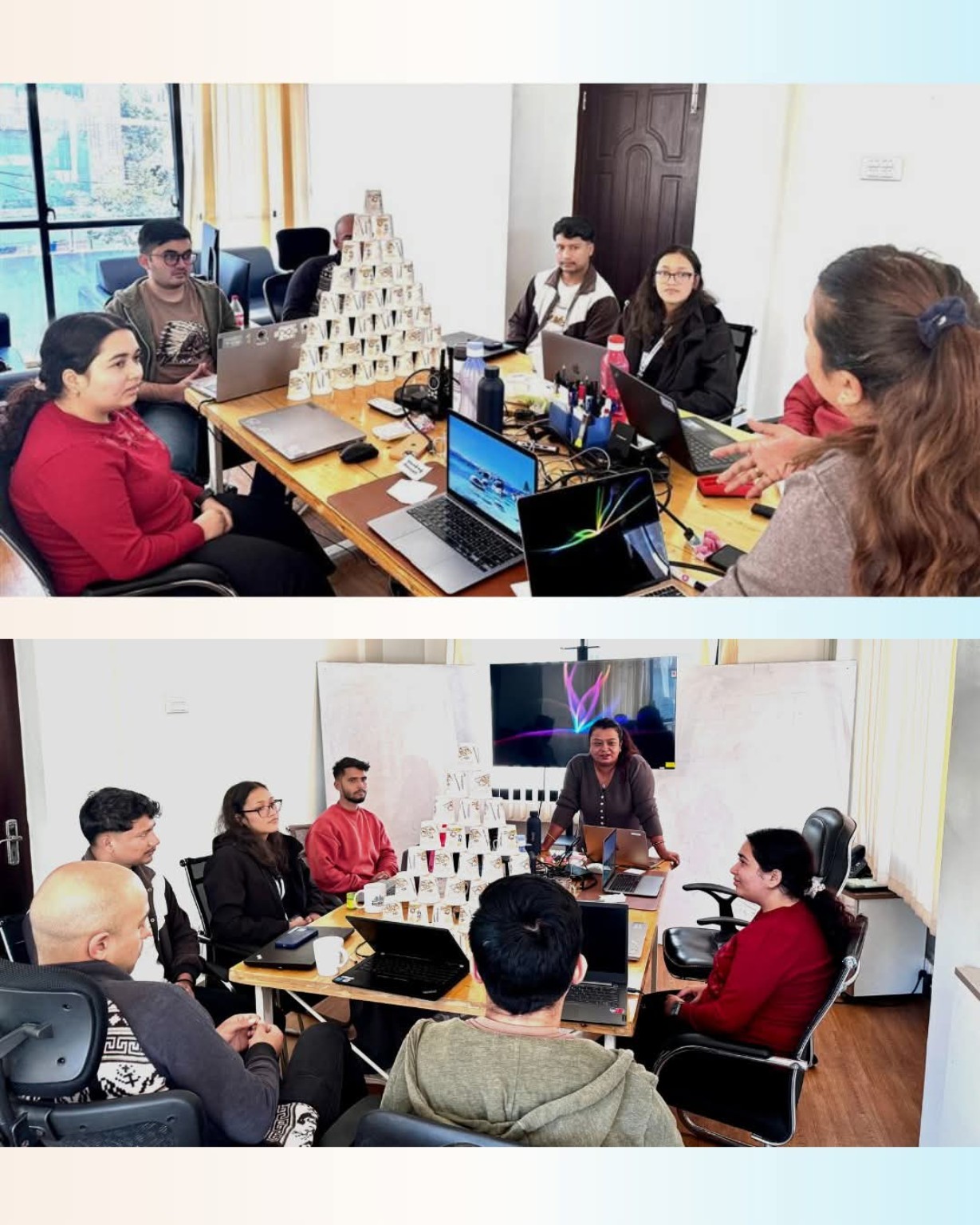
The training used practical games and exercises to help participants understand concepts through experience.
Activities helped participants see why roles matter, how requirements need clarity, and how different people contribute to a shared outcome.
The Block Tower Collaboration activity was then connected back to each department’s own working reality. For engineering, it reinforced the importance of clear Scrum accountabilities. For HR, sales, and other internal teams, it opened a conversation around how different roles contribute to the functioning of a department, and why clearer ownership improves coordination, follow-through, and outcomes.
Assessment and outcome
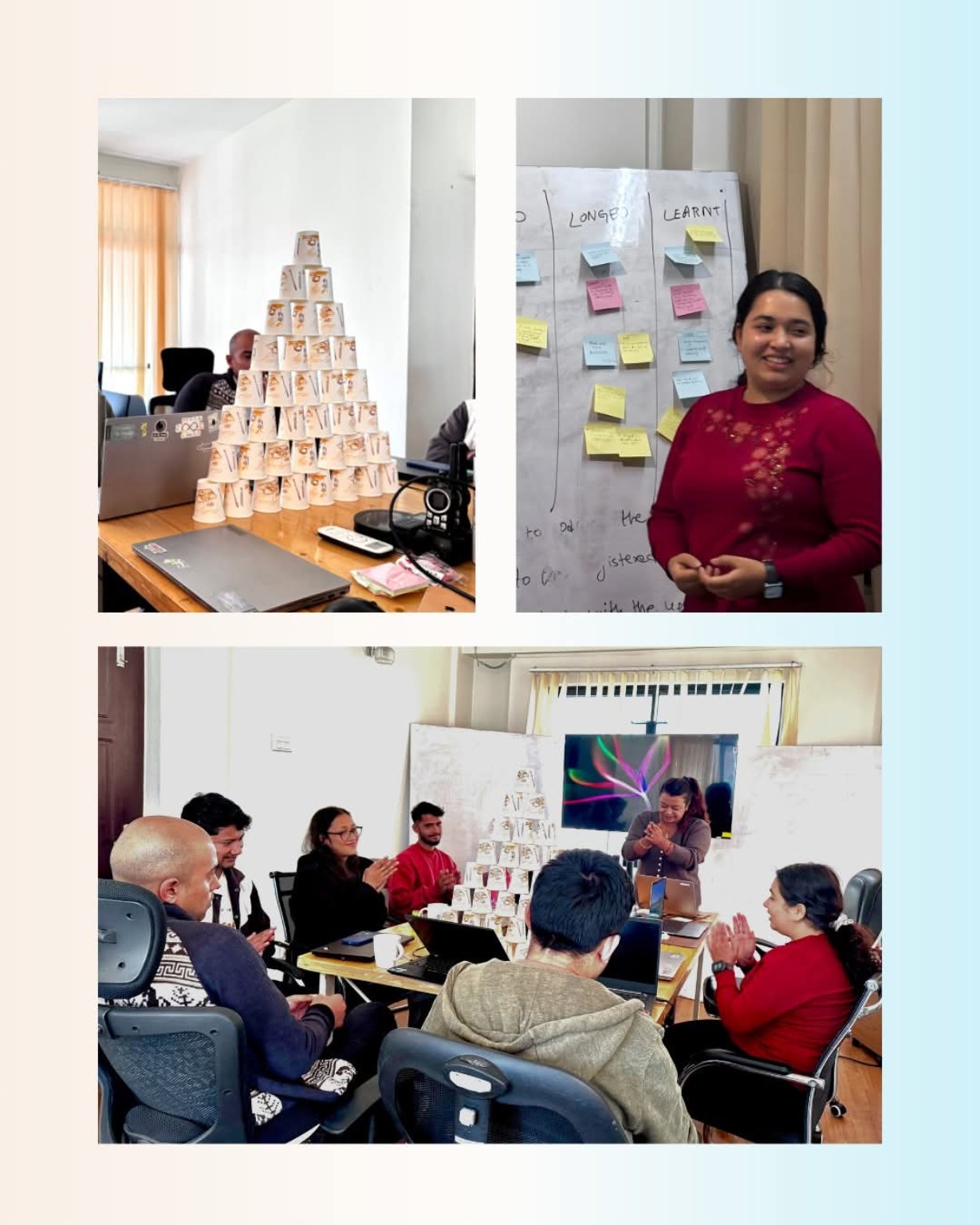
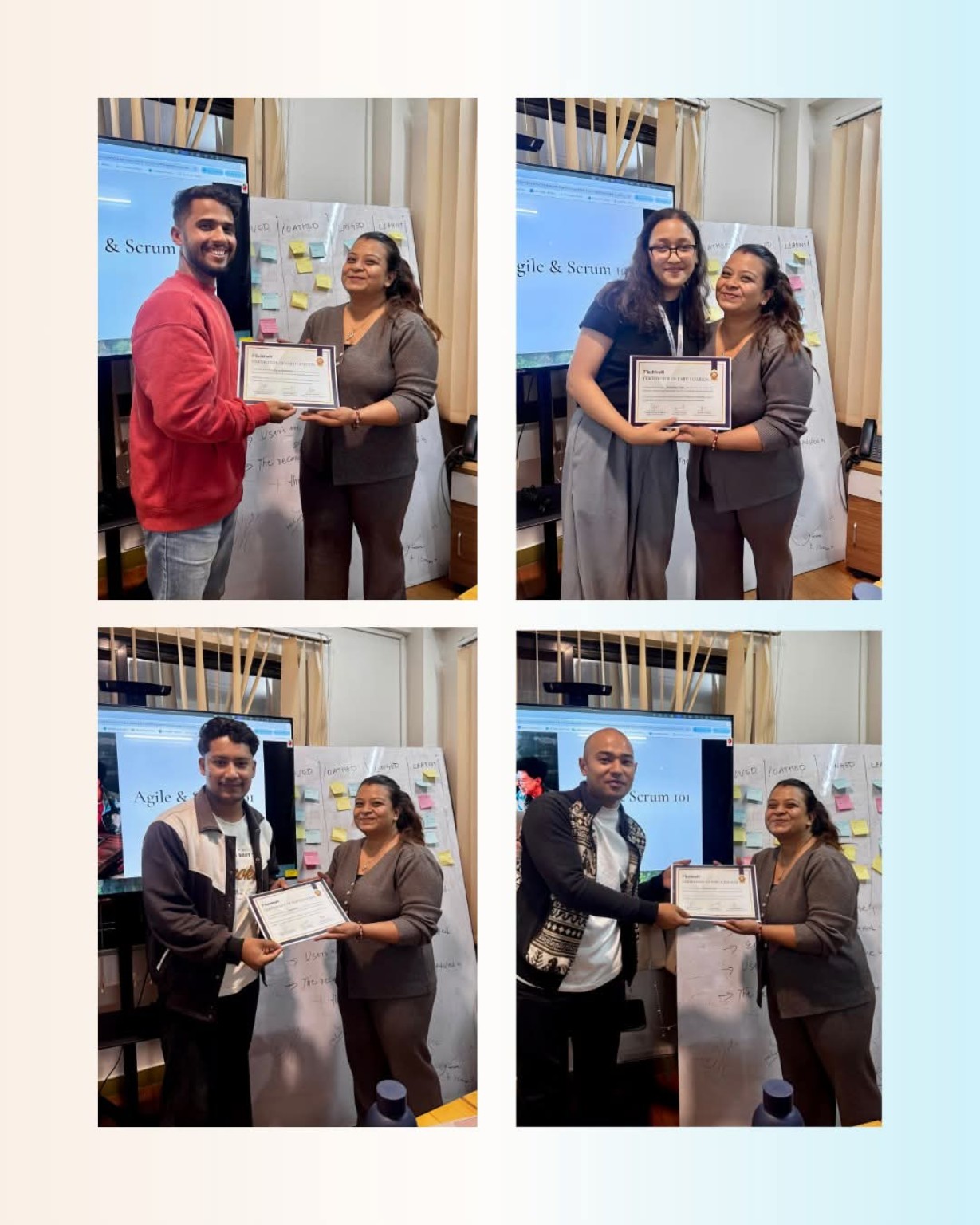
An assessment was conducted after the training, and all participants scored above 90%.
The training supported the formal initiation of Scrum in engineering and encouraged HR, sales, and other teams to adapt Agile and Scrum-inspired practices in ways that made sense for their work.
What this case study demonstrates
This training demonstrated that Agile and Scrum concepts become more useful when they are made practical, relatable, and connected to each team’s working reality.
It also showed that Agile enablement can support more than engineering teams when the mindset is adapted thoughtfully.